The Deskless Daily is a one-person show. That’s the whole appeal of running a niche blog on remote work and productivity tools — no office, no team meetings, just you and a content calendar. It’s also the whole problem. One person can’t write, edit, fix SEO, track performance, and remember to post consistently, week after week, without something slipping.
That’s the actual reason there’s an AI coworker running parts of this site now — not because “AI is cool,” but because specific things were bottlenecked and needed to stop being bottlenecked. Here’s what those were, and what changed.
Bottleneck 1: Posting consistently kept slipping
Before: new posts went out whenever there was a spare hour — which some weeks was never. A content idea would sit in a notes doc for a month before I got back to it.
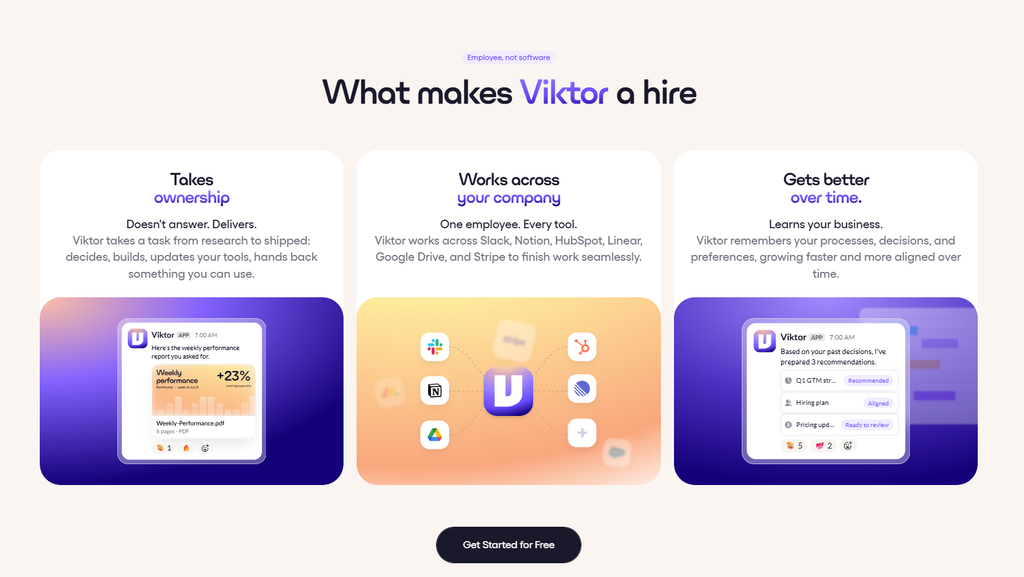
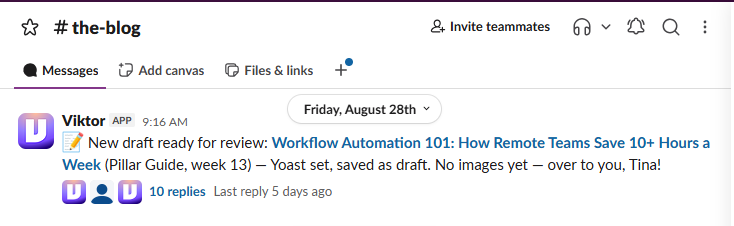
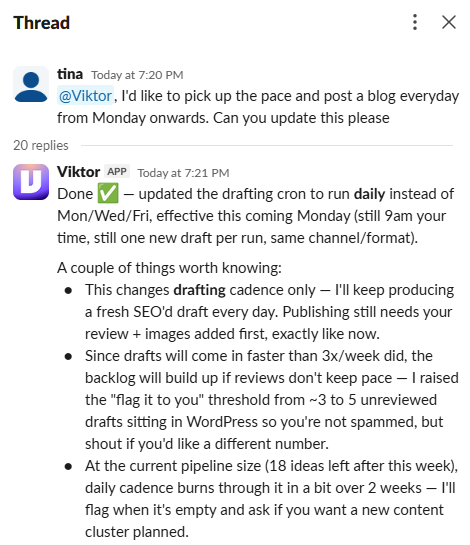
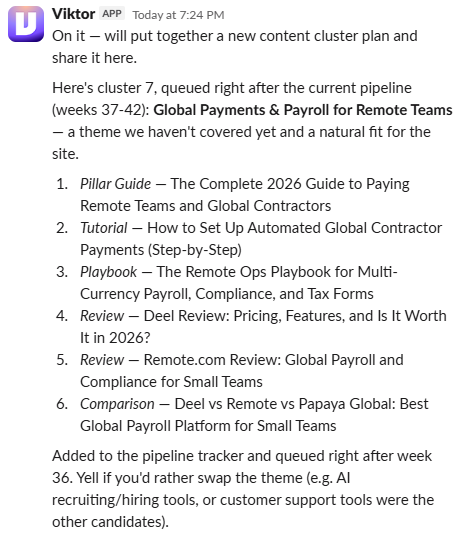
Now: Viktor runs a recurring drafting job. It picks the next post from a planned content pipeline, writes a full SEO-ready draft, and drops it in Slack for review — currently every single day. The pipeline itself is planned in “clusters” of six related posts at a time (a pillar guide, a tutorial, a playbook, two reviews, a comparison), so there’s never a scramble for “what do we write about next.” When the pipeline runs low, Viktor flags it and plans the next cluster before it actually runs out.
Bottleneck 2: The boring stuff that quietly tanks SEO
Before: alt text on images, meta descriptions, internal linking — the unglamorous SEO housekeeping that Google actually cares about — got skipped when things were rushed. Which was most of the time.
Now: every post gets a pass before it goes live — Yoast title, meta description, and focus keyphrase set at draft time, and alt text checked on every image (featured and in-content) before publish, every time, no exceptions. It also catches smaller things a rushed read misses, like an internal link pointing at the wrong page.
Bottleneck 3: Not knowing automation was even an option
Before: the same requests got repeated manually, over and over — “can you draft this week’s post,” “can you check the SEO on this one” — because it didn’t occur to me that recurring work could just run on a schedule.
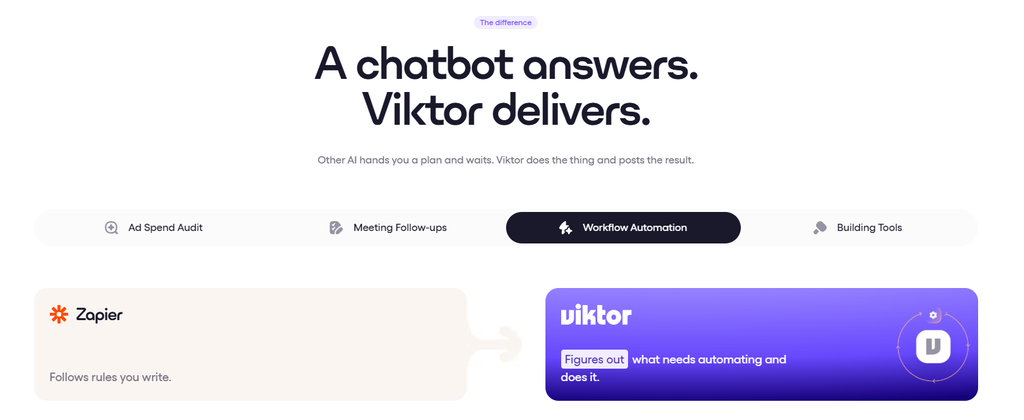
Now: Viktor brought this up on its own, unprompted. It set up scheduled recurring tasks (“crons”) for exactly the jobs that were being repeated by hand — the drafting cadence, the weekly reporting below — and explained what they were doing and why, without being asked. That single suggestion cut out a lot of repetitive back-and-forth and saves on cost and credits compared to asking for the same thing fresh every time.
Bottleneck 4: Flying blind on what was actually working
Before: posts went out, and then… nothing. No regular check on whether any of it was landing in search, what queries were bringing people in, or which posts were worth doubling down on.
Now: a standing weekly report pulls Google Search Console and Google Analytics (GA4) data — impressions, clicks, top queries, traffic — into one place automatically, and a separate Pinterest monitor flags real signals as they happen, like a first outbound click or a jump in reach. It’s the difference between guessing what’s working and actually knowing.

Bottleneck 5: Running out of ideas and only reacting, never planning ahead
Before: most of the thinking about where the site should go next happened reactively — after something had already gone wrong, or the content well had already run dry.
Now: Viktor regularly comes back with its own ideas and guidance for hitting the site’s growth goals — the next content cluster before the backlog empties out, SEO fixes worth making, which posts need attention. It’s not just executing requests; it’s flagging what to do before being asked.
What this actually looks like day to day
None of this happens in a special app or dashboard. It’s a Slack channel. Viktor posts a draft link when a new post is ready, flags when a post’s edit lock is stuck, asks a real question when a decision needs a human (“should this be a review-style post or a behind-the-scenes one?”), and says plainly when something’s blocked instead of quietly working around it. It also creates the Pinterest pins once a post goes live, so promotion isn’t a separate task that gets forgotten.
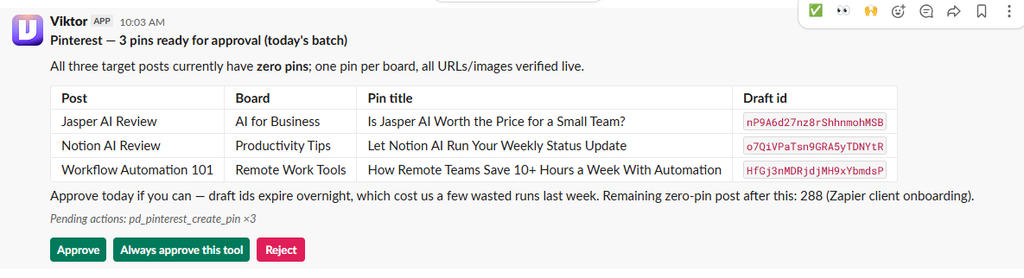
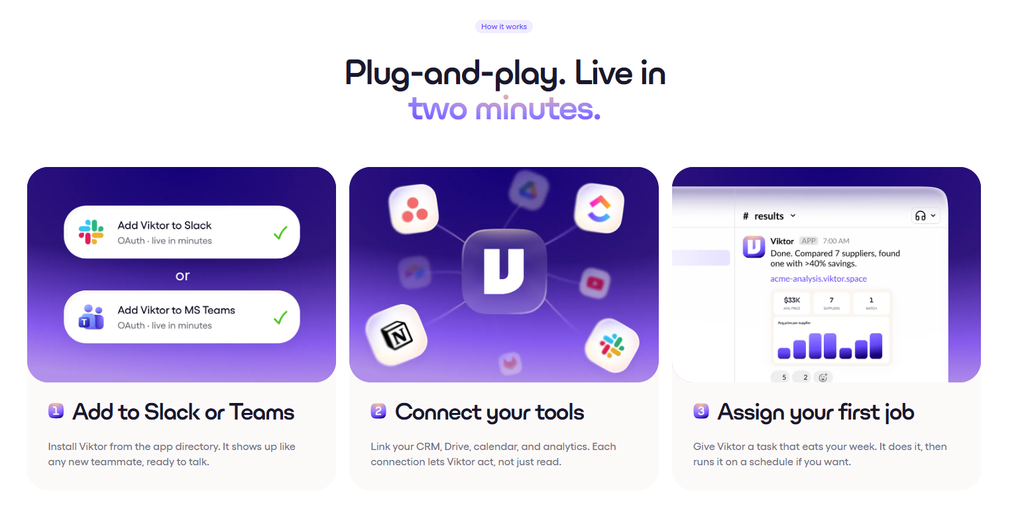
None of it required hiring a part-time content ops person or an agency retainer. It required a Slack channel and about ten minutes of setup.
Is it right for your team?
If your bottleneck looks like ours did — good ideas that never make it to “published,” SEO housekeeping that gets skipped under deadline pressure, or repetitive requests nobody’s automated yet — an AI coworker is worth trying before hiring for it. Try Viktor here and see what it takes off your plate first.
Disclosure: the link above is a referral link. If you sign up through it, The Deskless Daily may earn a share of your paid usage at no extra cost to you. See our privacy policy for details.
